Understanding Renal Stones
Understanding Renal Stones (गुर्दे की पथरी)
Renal stones, commonly known as kidney stones, are solid mineral and salt deposits that form inside the kidneys. They vary in size, from tiny grains similar to sand to larger stones that can obstruct urine flow and cause severe pain. Kidney stones are a common urological problem affecting people of all ages and genders, although men are slightly more prone. Understanding renal stones involves learning about their formation, causes, symptoms, types, and the risk factors associated with this condition.
गुर्दे की पथरी, जिसे आमतौर पर किडनी स्टोन या वृक्क पथरी कहा जाता है, ठोस खनिज और नमक के जमाव होते हैं जो गुर्दे के अंदर बनते हैं। इनका आकार रेत के छोटे कणों से लेकर बड़े पत्थरों तक भिन्न हो सकता है जो मूत्र के प्रवाह को बाधित कर सकते हैं और गंभीर दर्द पैदा कर सकते हैं। गुर्दे की पथरी एक आम मूत्र रोग संबंधी समस्या है जो सभी उम्र और लिंग के लोगों को प्रभावित करती है, हालांकि पुरुषों में इसका खतरा थोड़ा अधिक होता है। गुर्दे की पथरी को समझने में इसके निर्माण, कारणों, लक्षणों, प्रकारों और इस स्थिति से जुड़े जोखिम कारकों के बारे में जानना शामिल है।
What Are Renal Stones?
गुर्दे की पथरी क्या है?
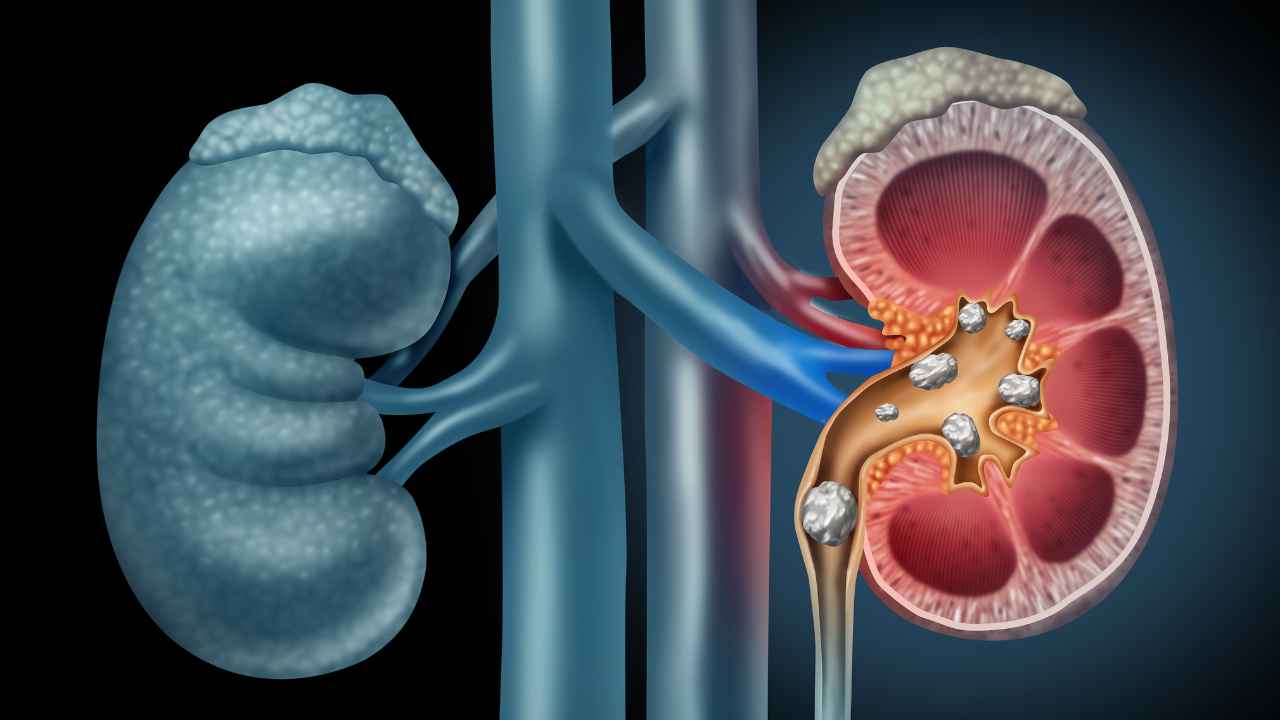
Renal stones are crystalline formations that develop when minerals and salts in the urine become highly concentrated. Normally, urine contains chemicals that prevent crystal formation, but under certain conditions, these chemicals fail to inhibit crystallization. This leads to the accumulation of calcium, oxalate, uric acid, cystine, or a combination of these substances, forming stones in the kidneys.
Size matters:
Tiny stones (less than 5 mm) may pass unnoticed through urine without causing significant discomfort.
Larger stones (above 5 mm) can block the urinary tract, leading to excruciating pain and urinary complications.
हिंदी में
1. गुर्दे की पथरी क्या है?
गुर्दे की पथरी क्रिस्टलीय संरचनाएं हैं जो तब विकसित होती हैं जब मूत्र में खनिज और लवण अत्यधिक केंद्रित हो जाते हैं। सामान्य रूप से, मूत्र में ऐसे रसायन होते हैं जो क्रिस्टल के निर्माण को रोकते हैं, लेकिन कुछ शर्तों के तहत, ये रसायन क्रिस्टलीकरण को बाधित करने में विफल रहते हैं। इससे कैल्शियम, ऑक्सालेट, यूरिक एसिड, सिस्टीन या इन पदार्थों के संयोजन का संचय होता है, जिससे गुर्दे में पथरी बनती है।
आकार का महत्व:
छोटे पत्थर (5 मिमी से कम) बिना किसी महत्वपूर्ण असुविधा के मूत्र के माध्यम से बिना ध्यान आए (unnoticed) गुजर सकते हैं।
बड़े पत्थर (5 मिमी से ऊपर) मूत्र पथ को अवरुद्ध कर सकते हैं, जिससे असहनीय दर्द और मूत्र संबंधी जटिलताएँ हो सकती हैं।
How Do Kidney Stones Form?
गुर्दे की पथरी कैसे बनती है?
Kidney stones form when urine contains more crystal-forming substances than the fluid needed to dilute them, or when urine lacks substances that prevent crystals from sticking together. The process involves:
- 1
Supersaturation: Urine becomes highly concentrated due to dehydration or dietary factors.
- 2
Nucleation: Small crystals begin to form as minerals stick together.
- 3
Growth: Crystals aggregate to form larger stones over time.
- 4
Obstruction: Stones can move to the ureter, causing blockage, pain, or infection.
हिंदी में
2. गुर्दे की पथरी कैसे बनती है?
गुर्दे की पथरी तब बनती है जब मूत्र में उन्हें पतला करने के लिए आवश्यक तरल पदार्थ की तुलना में अधिक क्रिस्टल बनाने वाले पदार्थ होते हैं, या जब मूत्र में क्रिस्टल को एक साथ चिपकने से रोकने वाले पदार्थों की कमी होती है। इस प्रक्रिया में शामिल हैं:
- 1
अति-संतृप्ति (Supersaturation): निर्जलीकरण या आहार कारकों के कारण मूत्र अत्यधिक केंद्रित हो जाता है।
- 2
नाभिकीयकरण (Nucleation): खनिज एक साथ चिपकने पर छोटे क्रिस्टल बनने लगते हैं।
- 3
विकास (Growth): क्रिस्टल समय के साथ मिलकर बड़े पत्थर बनाते हैं।
- 4
अवरोध (Obstruction): पत्थर मूत्रवाहिनी (ureter) में जा सकते हैं, जिससे रुकावट, दर्द या संक्रमण होता है।
Types of Renal Stones
गुर्दे की पथरी के प्रकार
There are several types of kidney stones, each with unique causes and characteristics:
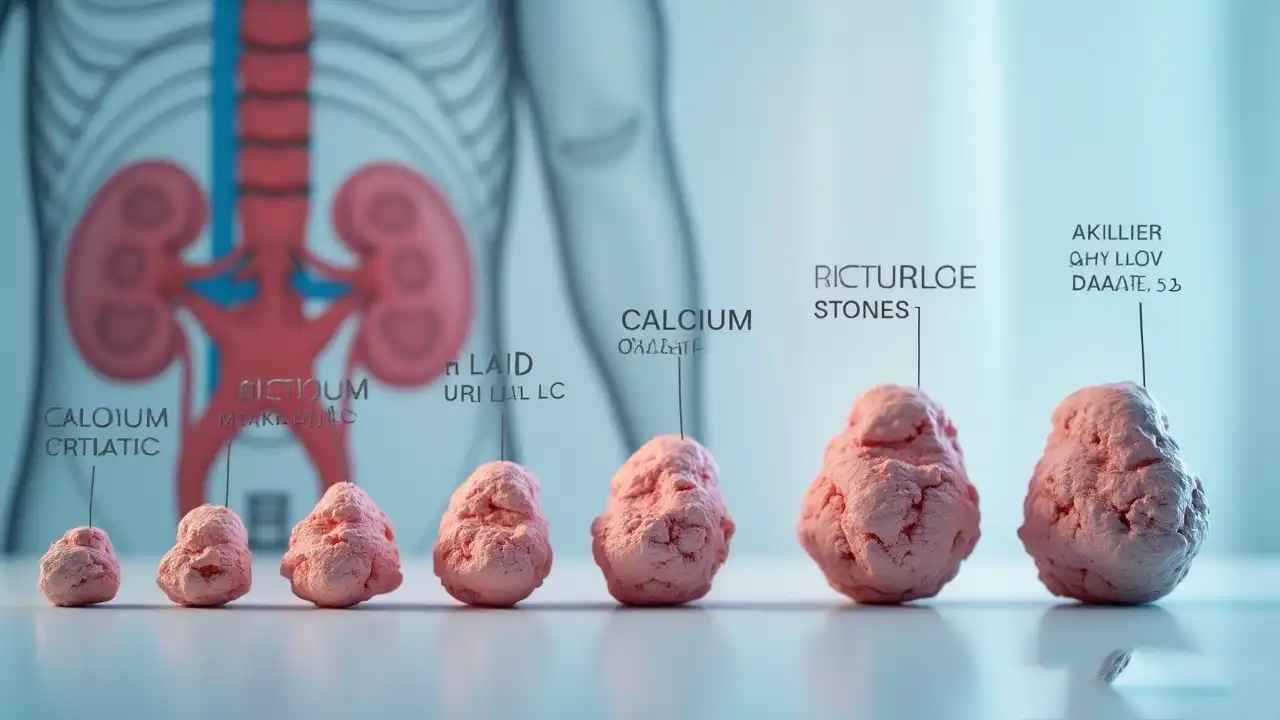
Calcium Stones: The most common type, formed from calcium oxalate or calcium phosphate. Often linked to diet, dehydration, or metabolic conditions.
Uric Acid Stones: Result from high uric acid levels, often due to a high-protein diet or metabolic disorders.
Struvite Stones: Often associated with urinary tract infections. These stones can grow quickly and cause urinary obstruction.
Cystine Stones: Rare and caused by a hereditary disorder called cystinuria.
हिंदी में
3. गुर्दे की पथरी के प्रकार
गुर्दे की पथरी कई प्रकार की होती है, जिनमें से प्रत्येक के अद्वितीय कारण और विशेषताएँ होती हैं:
कैल्शियम स्टोन (Calcium Stones): सबसे आम प्रकार, जो कैल्शियम ऑक्सालेट या कैल्शियम फॉस्फेट से बनते हैं। अक्सर आहार, निर्जलीकरण, या चयापचय स्थितियों से जुड़े होते हैं।
यूरिक एसिड स्टोन (Uric Acid Stones): उच्च यूरिक एसिड के स्तर के परिणामस्वरूप, अक्सर उच्च प्रोटीन आहार या चयापचय विकारों के कारण होते हैं।
स्ट्रुवाइट स्टोन (Struvite Stones): अक्सर मूत्र पथ के संक्रमण से जुड़े होते हैं। ये पत्थर तेजी से बढ़ सकते हैं और मूत्र अवरोध पैदा कर सकते हैं।
सिस्टीन स्टोन (Cystine Stones): दुर्लभ और सिस्टीनुरिया नामक एक आनुवंशिक विकार के कारण होते हैं।
Causes and Risk Factors
कारण और जोखिम कारक
Several factors contribute to the development of renal stones:
- 1
Dehydration: Inadequate water intake concentrates urine, promoting crystal formation.
- 2
Dietary Habits: Excess salt, protein, and oxalate-rich foods (like spinach, nuts, and chocolate) increase risk.
- 3
Urinary Tract Infections: Chronic infections can promote stone formation, especially struvite stones.
- 4
Metabolic Disorders: Conditions like hyperparathyroidism, obesity, or diabetes increase susceptibility.
- 5
Genetic Predisposition: Family history of kidney stones raises the likelihood of occurrence.
- 6
Lifestyle Factors: Sedentary lifestyle, irregular meals, and stress can indirectly contribute.
हिंदी में
4. कारण और जोखिम कारक
कई कारक गुर्दे की पथरी के विकास में योगदान करते हैं:
- 1
निर्जलीकरण (Dehydration): अपर्याप्त पानी का सेवन मूत्र को गाढ़ा करता है, क्रिस्टल निर्माण को बढ़ावा देता है।
- 2
आहार की आदतें (Dietary Habits): अतिरिक्त नमक, प्रोटीन, और ऑक्सालेट युक्त खाद्य पदार्थ (जैसे पालक, नट्स और चॉकलेट) जोखिम बढ़ाते हैं।
- 3
मूत्र पथ के संक्रमण (Urinary Tract Infections): पुरानी संक्रमण विशेष रूप से स्ट्रुवाइट पत्थरों के निर्माण को बढ़ावा दे सकते हैं।
- 4
चयापचय संबंधी विकार (Metabolic Disorders): हाइपरपैराथायरायडिज्म, मोटापा, या मधुमेह जैसी स्थितियाँ संवेदनशीलता को बढ़ाती हैं।
- 5
आनुवंशिक प्रवृत्ति (Genetic Predisposition): गुर्दे की पथरी का पारिवारिक इतिहास होने की संभावना को बढ़ाता है।
- 6
जीवनशैली कारक (Lifestyle Factors): बैठे रहने वाली जीवनशैली, अनियमित भोजन, और तनाव अप्रत्यक्ष रूप से योगदान कर सकते हैं।
Common Symptoms
सामान्य लक्षण
Symptoms of renal stones depend on the size, location, and movement of the stone:
Severe Flank Pain: Often radiates to the groin and lower abdomen (renal colic).
Painful Urination: Burning sensation or discomfort during urination.
Hematuria: Blood in urine, which may appear pink, red, or brown.
Frequent Urination: Increased urgency, often accompanied by discomfort.
Nausea and Vomiting: Often triggered by severe pain or obstruction.
Fever or Chills: Indicates a urinary infection associated with stones.
हिंदी में
5. सामान्य लक्षण
गुर्दे की पथरी के लक्षण पत्थर के आकार, स्थान, और गति पर निर्भर करते हैं:
पीठ या बगल में गंभीर दर्द (Severe Flank Pain): अक्सर कमर और निचले पेट तक फैलता है (रीनल कोलिक)।
दर्दनाक पेशाब (Painful Urination): पेशाब के दौरान जलन या असुविधा।
हेमट्यूरिया (Hematuria): मूत्र में रक्त, जो गुलाबी, लाल, या भूरा दिखाई दे सकता है।
बार-बार पेशाब आना (Frequent Urination): बढ़ी हुई तात्कालिकता, अक्सर असुविधा के साथ।
मतली और उल्टी (Nausea and Vomiting): अक्सर गंभीर दर्द या रुकावट से शुरू होती है।
बुखार या ठंड लगना (Fever or Chills): पत्थरों से जुड़े मूत्र संक्रमण का संकेत देते हैं।
Complications of Untreated Kidney Stones
अनुपचारित गुर्दे की पथरी की जटिलताएँ
If left untreated, renal stones can lead to:
Urinary Tract Obstruction: Causing hydronephrosis (swelling of kidneys due to urine buildup).
Recurrent Infections: Stones can trap bacteria, leading to chronic UTIs.
Kidney Damage: Long-term obstruction may impair kidney function.
Pain and Discomfort: Persistent or recurring severe pain affects quality of life.
हिंदी में
6. अनुपचारित गुर्दे की पथरी की जटिलताएँ
यदि अनुपचारित छोड़ दिया जाए, तो गुर्दे की पथरी निम्नलिखित का कारण बन सकती है:
मूत्र पथ का अवरोध (Urinary Tract Obstruction): हाइड्रोनफ्रोसिस (मूत्र के जमाव के कारण गुर्दे की सूजन) का कारण बनता है।
बार-बार संक्रमण (Recurrent Infections): पत्थर बैक्टीरिया को फंसा सकते हैं, जिससे पुरानी यूटीआई हो सकती है।
गुर्दे की क्षति (Kidney Damage): दीर्घकालिक अवरोध गुर्दे के कार्य को बाधित कर सकता है।
दर्द और बेचैनी (Pain and Discomfort): लगातार या बार-बार होने वाला गंभीर दर्द जीवन की गुणवत्ता को प्रभावित करता है।
Early Detection and Importance
शीघ्र पता लगाना और महत्व
Early detection of kidney stones significantly improves treatment outcomes:
Urinalysis: Detects blood, crystals, and infections.
Ultrasound: Non-invasive imaging to locate stones.
CT Scan: Provides detailed stone size and location.
हिंदी में
7. शीघ्र पता लगाना और महत्व
गुर्दे की पथरी का शीघ्र पता लगाना उपचार के परिणामों में काफी सुधार करता है:
मूत्र-विश्लेषण (Urinalysis): रक्त, क्रिस्टल, और संक्रमण का पता लगाता है।
अल्ट्रासाउंड (Ultrasound): पत्थरों का पता लगाने के लिए गैर-आक्रामक इमेजिंग।
सीटी स्कैन (CT Scan): पत्थर के आकार और स्थान का विस्तृत विवरण प्रदान करता है।
Homeopathic Principles in Kidney Stone Management
गुर्दे की पथरी के प्रबंधन में होम्योपैथिक सिद्धांत
Homeopathy focuses on treating the root cause rather than just symptoms. For renal stones, this includes:
Enhancing natural elimination: Supporting the kidneys to flush out small stones naturally.
Reducing inflammation: Relieving pain and urinary tract irritation.
Balancing metabolism: Regulating mineral deposition and preventing stone recurrence.
Constitutional care: Personalized remedies based on individual health, lifestyle, and susceptibility.
हिंदी में
8. गुर्दे की पथरी के प्रबंधन में होम्योपैथिक सिद्धांत
होम्योपैथी केवल लक्षणों के बजाय मूल कारण के उपचार पर केंद्रित है। गुर्दे की पथरी के लिए, इसमें शामिल हैं:
प्राकृतिक उन्मूलन को बढ़ाना: छोटे पत्थरों को स्वाभाविक रूप से बाहर निकालने के लिए गुर्दे का समर्थन करना।
सूजन को कम करना: दर्द और मूत्र पथ की जलन से राहत देना।
चयापचय को संतुलित करना: खनिज जमाव को विनियमित करना और पत्थर की पुनरावृत्ति को रोकना।
संवैधानिक देखभाल: व्यक्तिगत स्वास्थ्य, जीवनशैली, और संवेदनशीलता के आधार पर व्यक्तिगत उपचार।
Lifestyle Measures for Kidney Health
गुर्दे के स्वास्थ्य के लिए जीवनशैली के उपाय
Even before treatment, patients can adopt preventive measures:
- Drink 2–3 liters of water dailyप्रतिदिन 2-3 लीटर पानी पीएँ
- Avoid excessive salt, sugar, and oxalate-rich foodsअत्यधिक नमक, चीनी, और ऑक्सालेट युक्त खाद्य पदार्थों से बचें
- Maintain healthy body weight and exercise regularlyस्वस्थ शरीर का वजन बनाए रखें और नियमित रूप से व्यायाम करें
- Manage stress through yoga, meditation, or relaxation techniquesयोग, ध्यान, या विश्राम तकनीकों के माध्यम से तनाव का प्रबंधन करें
हिंदी में
9. गुर्दे के स्वास्थ्य के लिए जीवनशैली के उपाय
उपचार से पहले भी, रोगी निवारक उपाय अपना सकते हैं:
Conclusion
निष्कर्ष
Understanding renal stones is the first step toward effective prevention and treatment. Kidney stones are caused by a combination of dietary, metabolic, genetic, and lifestyle factors. Early detection, awareness of symptoms, and timely intervention are essential to avoid severe pain, infections, and kidney damage.
Dr. A K Mishra, a leading homeopathy doctor in Gorakhpur, offers safe, natural, and effective treatment for kidney stones. Through personalized remedies, lifestyle guidance, and holistic care, he not only treats existing stones but also reduces recurrence, strengthens kidney function, and improves overall urinary health.
Homeopathy, combined with preventive measures, provides a non-invasive, patient-centered solution for renal stones, ensuring long-term relief and enhanced quality of life.
हिंदी में
10. निष्कर्ष
गुर्दे की पथरी को समझना प्रभावी रोकथाम और उपचार की दिशा में पहला कदम है। गुर्दे की पथरी आहार, चयापचय, आनुवंशिक, और जीवनशैली कारकों के संयोजन के कारण होती है। शीघ्र पता लगाना, लक्षणों के बारे में जागरूकता, और समय पर हस्तक्षेप गंभीर दर्द, संक्रमण और गुर्दे की क्षति से बचने के लिए आवश्यक हैं।
डॉ. ए के मिश्रा, गोरखपुर के एक प्रमुख होम्योपैथी डॉक्टर, गुर्दे की पथरी के लिए सुरक्षित, प्राकृतिक, और प्रभावी उपचार प्रदान करते हैं। व्यक्तिगत उपचारों, जीवनशैली मार्गदर्शन, और समग्र देखभाल के माध्यम से, वह न केवल मौजूदा पत्थरों का इलाज करते हैं, बल्कि पुनरावृत्ति को भी कम करते हैं, गुर्दे के कार्य को मजबूत करते हैं, और समग्र मूत्र स्वास्थ्य में सुधार करते हैं।
होम्योपैथी, निवारक उपायों के साथ मिलकर, गुर्दे की पथरी के लिए एक गैर-आक्रामक, रोगी-केंद्रित समाधान प्रदान करती है, जिससे दीर्घकालिक राहत और जीवन की बेहतर गुणवत्ता सुनिश्चित होती है।